Blog

Fishing Mazdas
Cars are indispensable. They’re your rainy-day school run saviour, your weekend hiking companion, your hospital shuttle for loved ones, and even your side hustle if you fancy playing taxi driver. But let’s face it – cars have become painfully expensive, pushing many of us into the murky waters of the "lemon" market. So, come along as I embark on the hunt for a Mazda!

The Making of Poverty
*I think most people are surprised by the progress we've made on inflation. I feel very strongly about inflation. It's very fashionable to say hasn't there been a heavy price paid to get inflation down. I think that's the wrong question. The question that should be asked would have been, how bad would it have been and for how long if we hadn't taken action to get inflation down.* (John Major, 12th February 1993)

Michelin in Spain, 2022.
Which Spanish Autonomous Region is the best for fine eating? Or rather, where will you find the largest number of Michelin Star Restaurants? Armed with `rvest` and SelectorGadget, I built a crawler to find out.
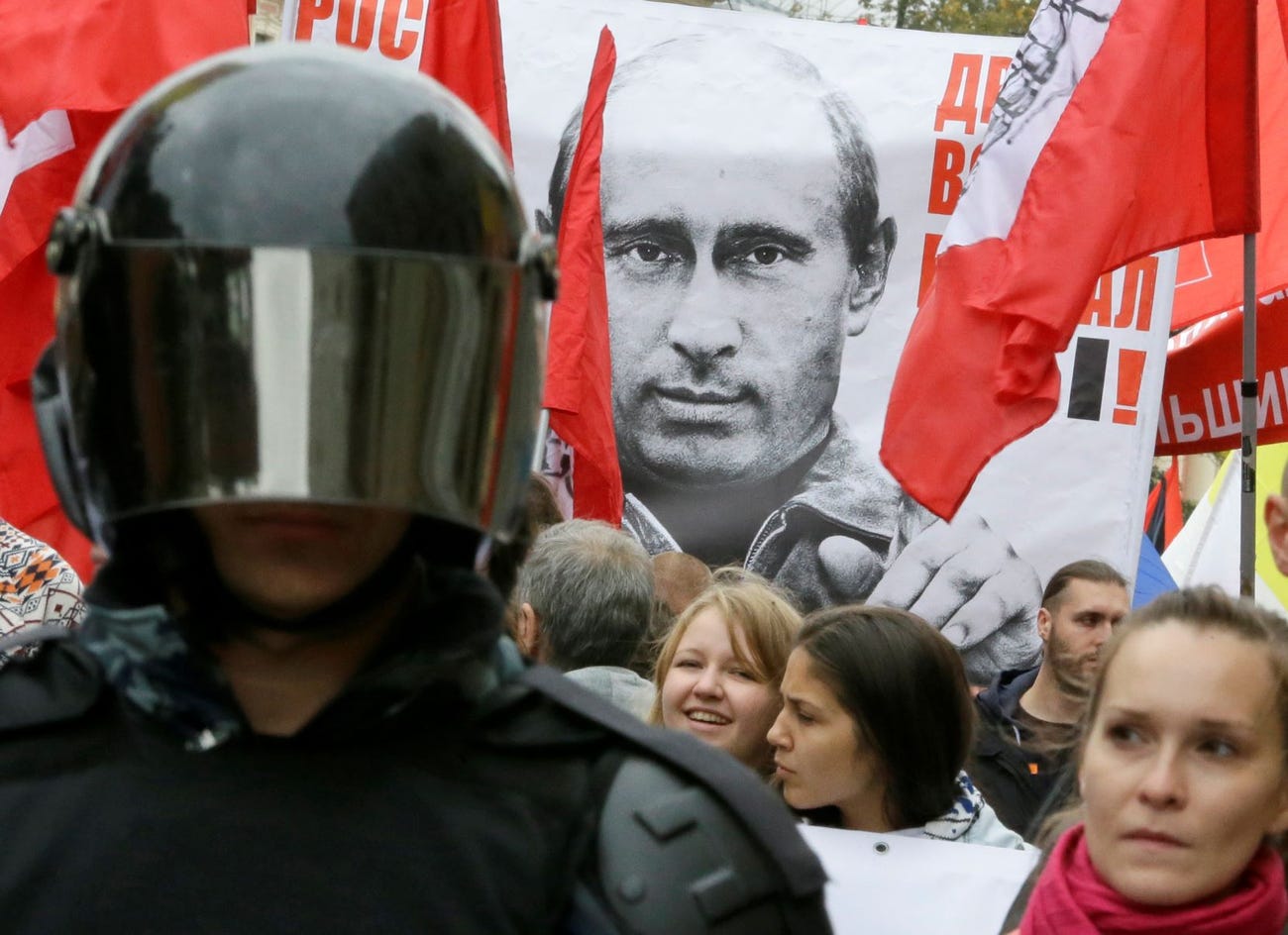
How much is Putin costing to Russia and the Russians?
With the crisis in Ukraine fully underway, we wonder what is the actual economic cost of having Putin in power to both, the Russian economy and the average Russian. Under the assumption that the intriguing and unusual Russian economic stagnation since 2012 is due to the poor domestic and foreign policy, and given that in an autocratic system the President is responsible for all policy, historical data suggests that Putin is costing Russia between 18% and 46% of its GDP per capita. For comparison, Brexit has been expected to contract the British economy by 0.2% and 1.6% points. Extrapolating these figures to wages, we find that Putin might be costing the average Russian no less than USD 124 and probably as much as USD672 dollars per month. We do not take into these calculations the costs in terms of lost human capital.
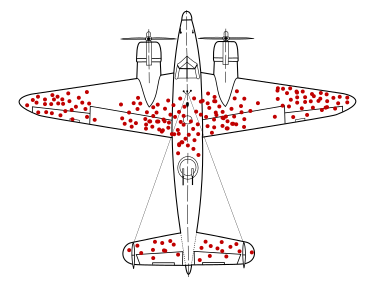
Gone with the Planes: Selection Bias, Sequential Analysis, and Partial Identification in WWII
This post pays homage to *The* Statistical Research Group (1942-1945) and its contributions. In particular, we focus on Abraham Wald's influential work modeling the vulnerabilities of warplanes. Following Wald's approach, we ask: what can be learned about vulnerabilities when some critical information "went down" with planes that did not return? We then place Wald's insights within Rubin's Potential Outcomes Framework and illustrate the identification problems using Manski's Partial Identification methods.